A Revolution for Church & Country
Saint James began as a Church of England congregation in a British colony in 1744. Most lay leaders welcomed the Declaration of Independence in 1776. But Rector Thomas Barton was a loyalist. As a result, the church was closed until 1783. After the Revolution, lay leaders of the church applied their democratic ideals to the nation and the church. However, many of the leading patriots at Saint James held enslaved people. Click here to view the Black History panel.
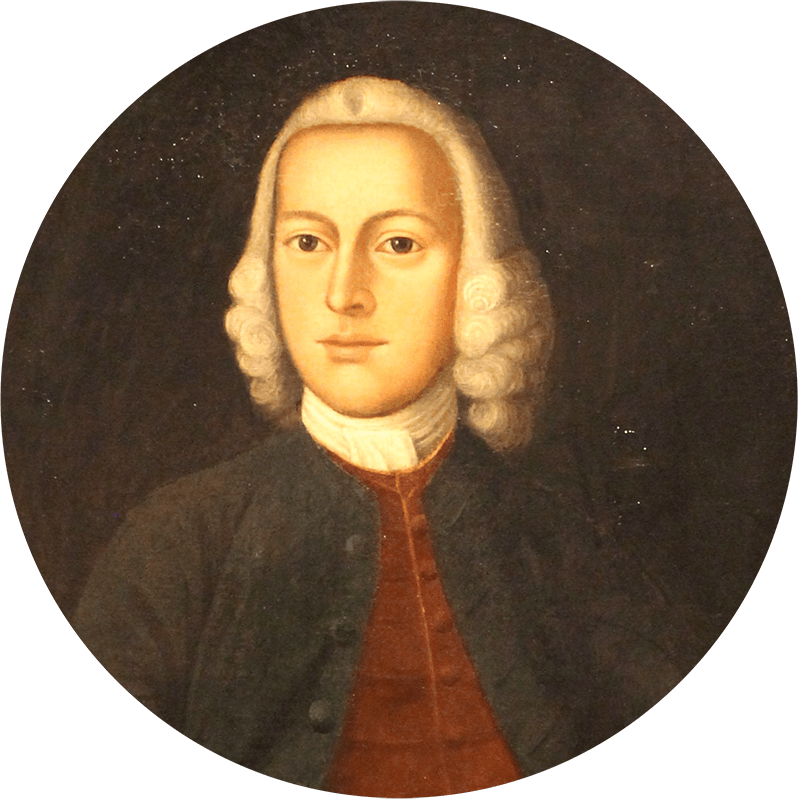 Colonel George Ross (1730-1779),
Signer of the Declaration of Independence and Vestry Member
George Ross was born in New Castle, Delaware, where his father was the Anglican clergyman. In 1751, Ross began his law practice in Lancaster and married Ann Lawler (1731-1773). He served as a Saint James vestryman and as Crown Prosecutor in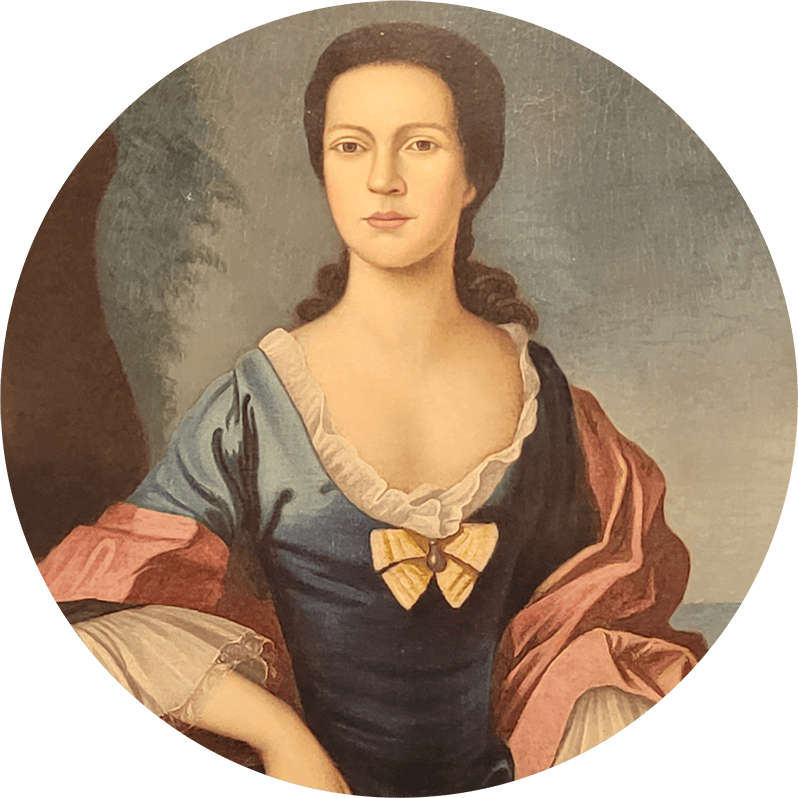 colonial Pennsylvania before being elected to the Continental Congress and signing the Declaration of Independence. He is buried at Christ Church, Philadelphia. Ann is buried in an unmarked grave in Saint James’ churchyard. Mary E. Ross, his great-granddaughter, gave the window above this panel in his memory.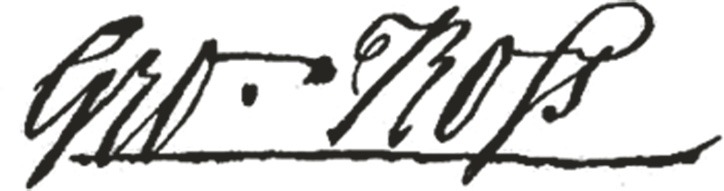
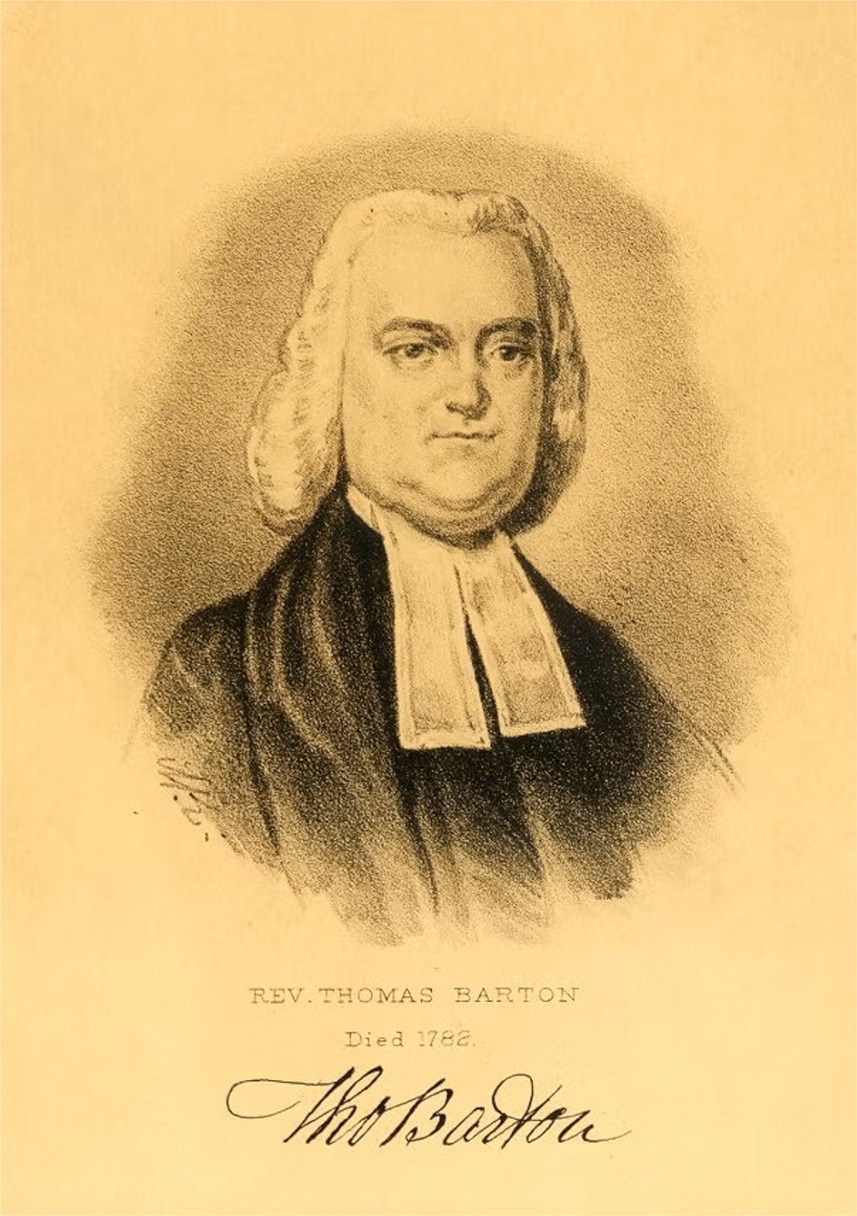 Reverend Thomas Barton (1728- 1780) Missionary, Rector, Loyalist
Anticipating the personal and congregational costs of revolution, Barton wrote in the summer of 1775 “Would to God an accommodation would take place! Everything here, at present, wears a dreadful aspect. Religion, and all the arts of Peace, are lost amidst the horrid apparatus of War...”
Thomas Barton came to Pennsylvania in 1751 and married Esther Rittenhouse (1736–1774). Ordained in 1755, he swore allegiance to the British King and Book of Common Prayer. He served as a missionary in York and Cumberland counties, coming to Saint James in 1759. As resistance grew, he kept his oaths and refused to omit prayers for the King. After July 4, 1776 public worship ended, and later the church was boarded up. Barton had to minister secretly. In 1778 he was permitted to cross enemy lines to New York City with his second wife, with no right to return to his children. He died in 1780, buried in an unmarked grave in Trinity Cemetery. A memorial stone stands in Saint James’ churchyard.
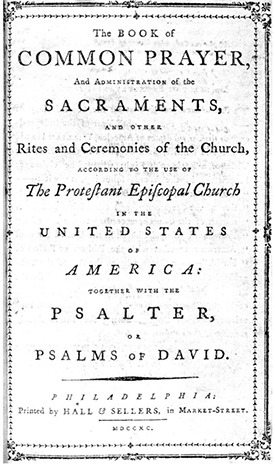
1789 Prayer Book
In the first American Episcopal Prayer Book, the state prayers for the new United States of America included those for the President and Congress, replacing those for the King and British Parliament.
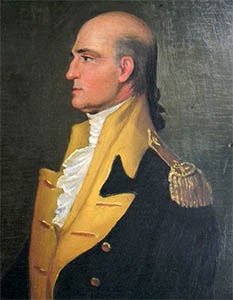 Patriots, Citizens, and Church Leaders
When Saint James reopened in 1783, William Augustus Atlee, Jasper Yeates, and other vestrymen resumed leadership with the new rector, Rev. Joseph Hutchins. Atlee and Yeates had served on Lancaster’s Committee of Correspondence, and Yeates later attended the 1787 Constitutional Convention.
After independence, Saint James’ leaders participated in the renaming of the Anglican Church and building a new identity. Edward Hand (left), George Washington's Adjutant General, served in Congress and the Pennsylvania General Assembly. He attended the meeting in 1785 which established the Diocese of Pennsylvania under William White. That same year Atlee, Hutchins, and Yeates as well as Stephen Chambers and Edward Shippen joined the first General Convention that shaped the national Episcopal Church. All these lay leaders are buried here.
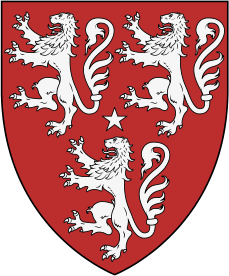 This panel is donated in memory of Elizabeth Eshleman (Taylor) Reed, a Ross family descendant.